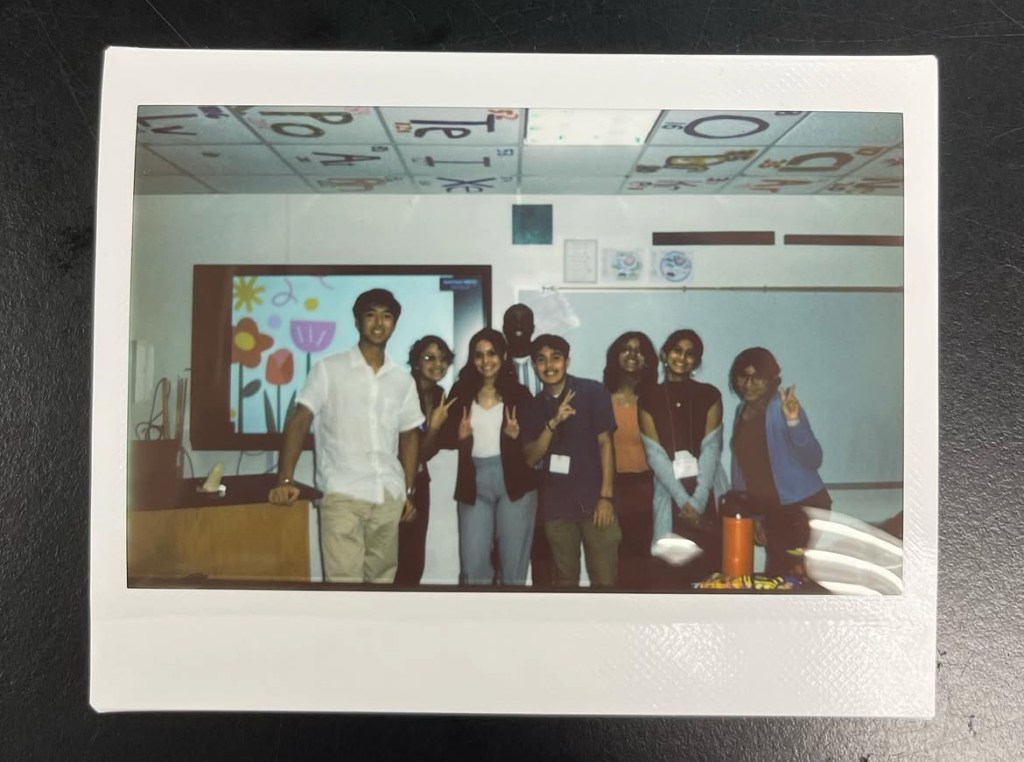
On June 5, 2023, I turned 18. As a fitting token of adulthood, I began my very first job that same day—as a Teaching Fellow for Breakthrough Houston. That summer, I stepped into a classroom of bright, motivated middle school students from underserved communities, and I walked out with an unshakable sense of purpose. While the role demanded late nights, tireless preparation, and unwavering commitment, it also gave me something invaluable: a profound understanding of mentorship and its power to drive equity, growth, and change.
As both my first job and my first teaching experience, I initially entered the summer uncertain of what I’d take away. But day by day, as I connected with my students, I was struck by their drive, curiosity, and resilience. Many came from communities with limited access to resources, yet they arrived every day with a deep hunger to learn. It became clear to me that potential is universal, but opportunity is not. That realization continues to shape how I view service, education, and the kind of physician I aspire to become.
What Is Breakthrough Houston?
Breakthrough Houston is a tuition-free academic enrichment program dedicated to educational equity. It serves highly motivated students from underrepresented backgrounds in the Houston area through a six-year commitment, beginning the summer before 7th grade and continuing through high school graduation. The goal is ambitious yet clear: to prepare students for college and long-term academic success.
As a Teaching Fellow, I was responsible for student success both inside and outside the classroom. I developed curriculum-aligned lesson plans, taught daily classes, graded assignments, and led weekly social-emotional learning workshops. Beyond academics, I also helped plan events, led field trips, and embraced Breakthrough’s unique spirit by performing daily morning and afternoon “Cheers” for the students—becoming, perhaps unintentionally, a seasoned singer and dancer in the process.
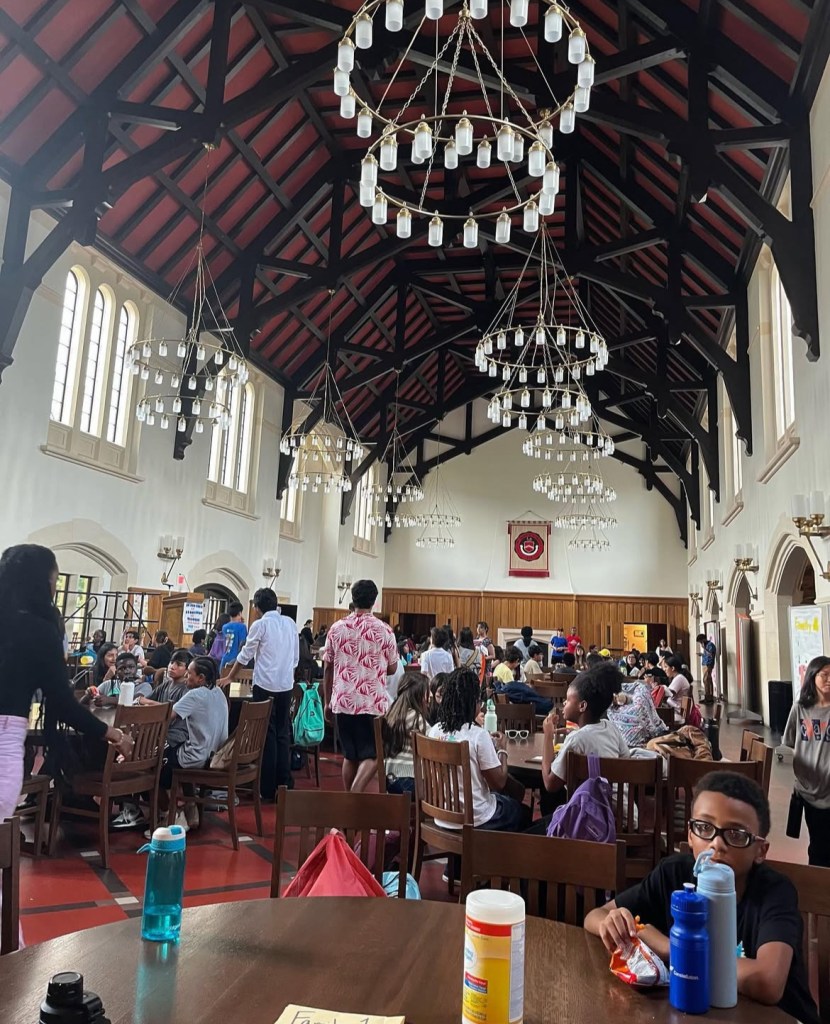
Many of our students entered the program behind grade level standards in core subjects due to systemic issues—ranging from socioeconomic barriers to under-resourced schools and recent policy shifts within Houston ISD. Alongside 42 other Teaching Fellows, I worked closely with students to identify learning gaps, provide targeted support, and, most importantly, offer mentorship that honored each student’s potential.
Mentorship as a Two-Way Street
Though I came in as a mentor, I left as someone who had been deeply mentored by the experience itself.
One of the most important skills I developed was listening—not just hearing words, but truly understanding students’ individual journeys, perspectives, and needs. That empathy helped me become a better teacher and supporter, and it’s a skill I know will serve me well in medicine. I also learned that genuine connection—not authority—is what makes someone a leader worth following.
I’ll never forget Mia, one of my Pre-Algebra students. She struggled with multiplication, which created challenges as we moved into more advanced material. I began working with her during and after class, printing extra practice sheets and encouraging her friends to support her learning. Slowly, her confidence grew. She started smiling more, raising her hand, and even volunteering to lead the class in problem-solving. Watching Mia grow from hesitant to empowered reminded me why mentorship matters so deeply—and how small acts of belief can fuel lasting change.

Mentorship in Medicine and Beyond
My time at Breakthrough Houston taught me that effective mentorship is at the heart of all good leadership. That’s especially true in medicine, where physicians work in teams every day—with nurses, social workers, administrators, and patients—to provide coordinated, patient-centered care. Leadership in this context requires deep understanding, humility, and respect for each person’s contribution.
In medicine, mentorship takes many forms. Physicians guide residents and medical school students, model compassionate care, support peers, and educate patients. These interactions are not just about transferring knowledge—they’re about empowering others to thrive. That mindset, which I began developing in the classroom, will continue to shape how I engage as a future physician.
Carrying the Torch Forward
Breakthrough Houston sparked something lasting in me. It showed me what it means to be a mentor and why mentorship is essential for equity—especially in systems where access is uneven. A few weeks after the program ended, I joined SMART (Science Mentoring for Achieving a Richer Tomorrow), an after-school science mentorship program at Baylor College of Medicine Academy at Ryan Middle School. I now lead that initiative, and every day, I carry the lessons I learned at Breakthrough into that work.
As I move forward on the path to becoming a physician, I remain committed to mentoring students, advocating for educational equity, and serving as the kind of leader who listens first. Breakthrough Houston didn’t just prepare students for success—it prepared me, too.


 Benchtop to Bedside
Leave a comment