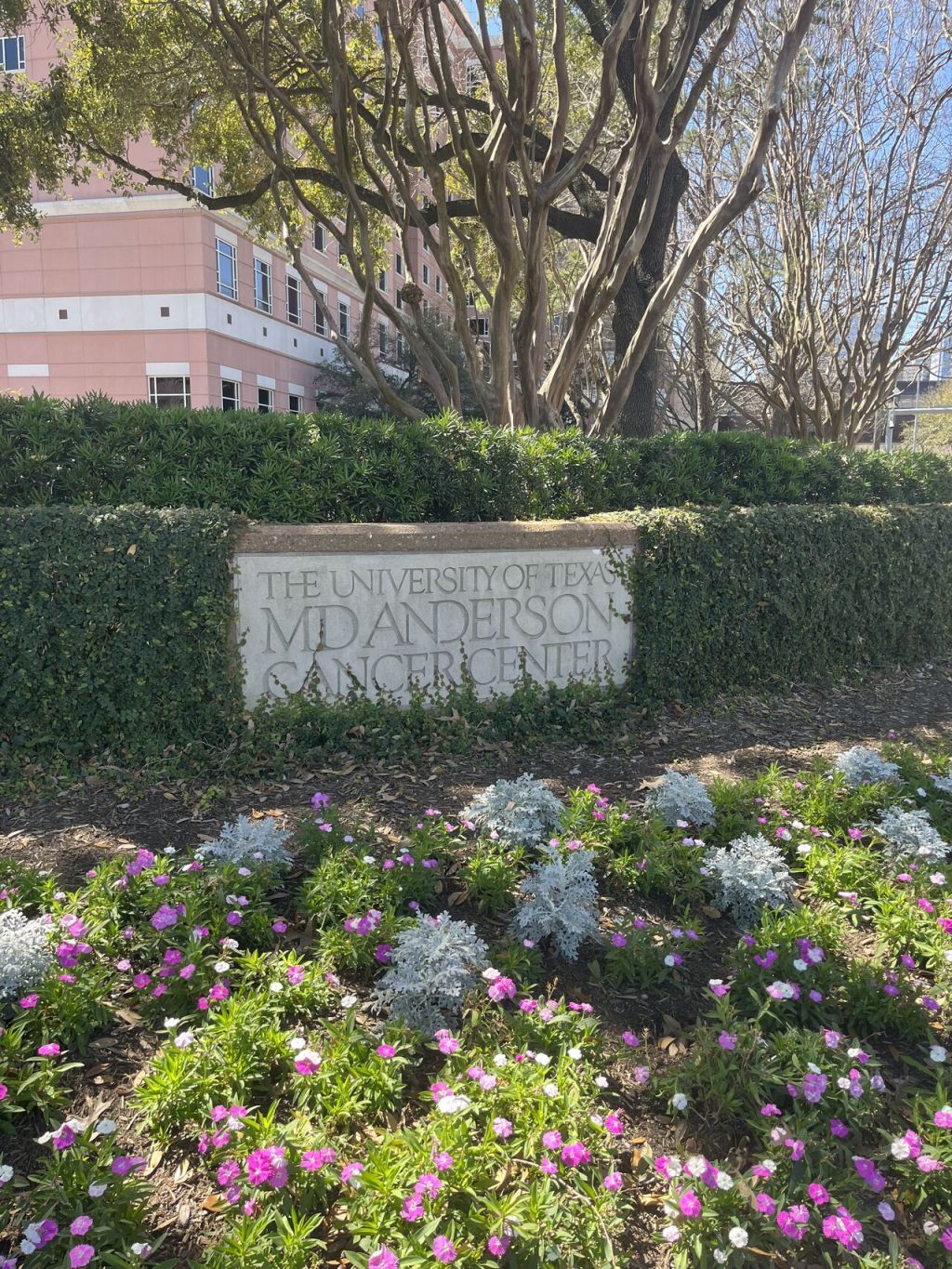
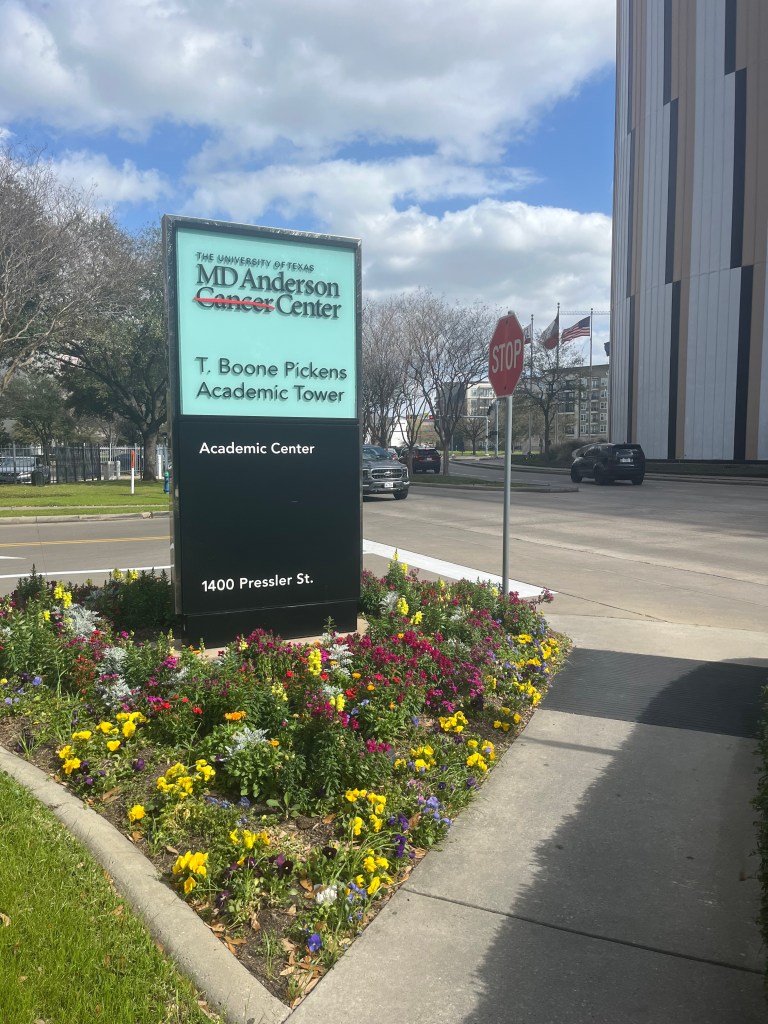
This past spring break of 2025, while most college students were taking a break from their studies, I stepped into the halls of the nation’s leading cancer center—MD Anderson—to shadow breast surgical oncologists and immerse myself in the world I one day hope to join.
My first day shadowing was an intense one—an early 7:30 a.m. surgery involving a right axillary lymph node dissection with a unilateral mastectomy. The patient, Mrs. xxx, presented with a fungating tumor that had broken through the skin after years of being left untreated. The sight and smell were shocking, but I was captivated. The moment the scalpel touched skin, the body unfolded exactly like an anatomy textbook—the pectoral muscle striations were vivid, and the internal structures were just as I had studied, only alive and real.

Even more powerful was what it represented: a case where delayed care, health disparities, and mistrust in medicine had devastating consequences. Mrs. xxx had attempted to remove the tumor herself at home, reflecting not only a lack of education around cancer but a heartbreaking disconnect between her and the healthcare system. As a Black woman, her experience underscored systemic inequities that persist in cancer diagnosis and treatment access.
Watching the surgeons remove the tumor and sentinel lymph nodes was awe-inspiring, but I was also struck by how seamless the communication was between the OR and the pathology team. Mid-surgery, I was given the chance to observe the pathology and histology staff in action. I watched as they received fresh tissue specimens, carefully sliced and stained the samples, and quickly evaluated the margins to determine whether the tumor had been completely excised. This wasn’t just a behind-the-scenes process—it was live, urgent, and directly impacted the decisions the surgical team made on the operating table. Seeing how closely the pathology team collaborated with the surgeons in real time added an entirely new layer to my understanding of medicine. It emphasized that great patient outcomes depend not only on individual expertise, but on interdisciplinary teamwork operating in perfect sync.
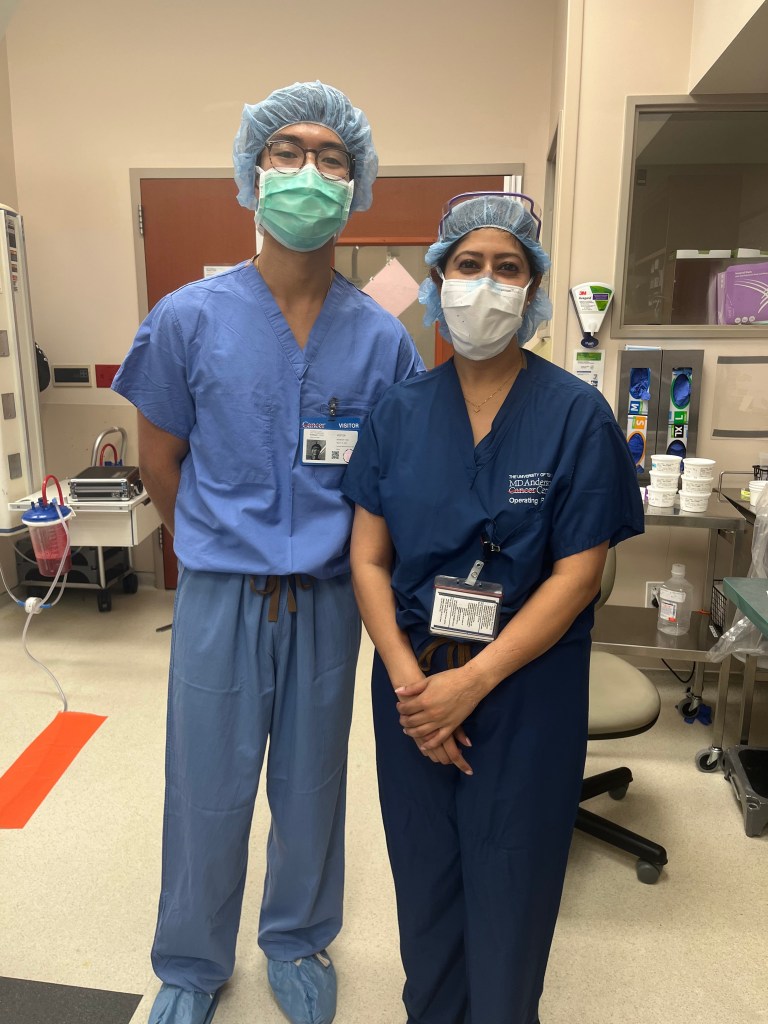
Throughout the week, I continued to shadow extraordinary physicians. On Tuesday, I observed Dr. Abigail Caudle perform segmental and total mastectomies. I even got to see the anesthesiologist put a patient to sleep and wake her up—reminding me that every detail in surgical care matters.
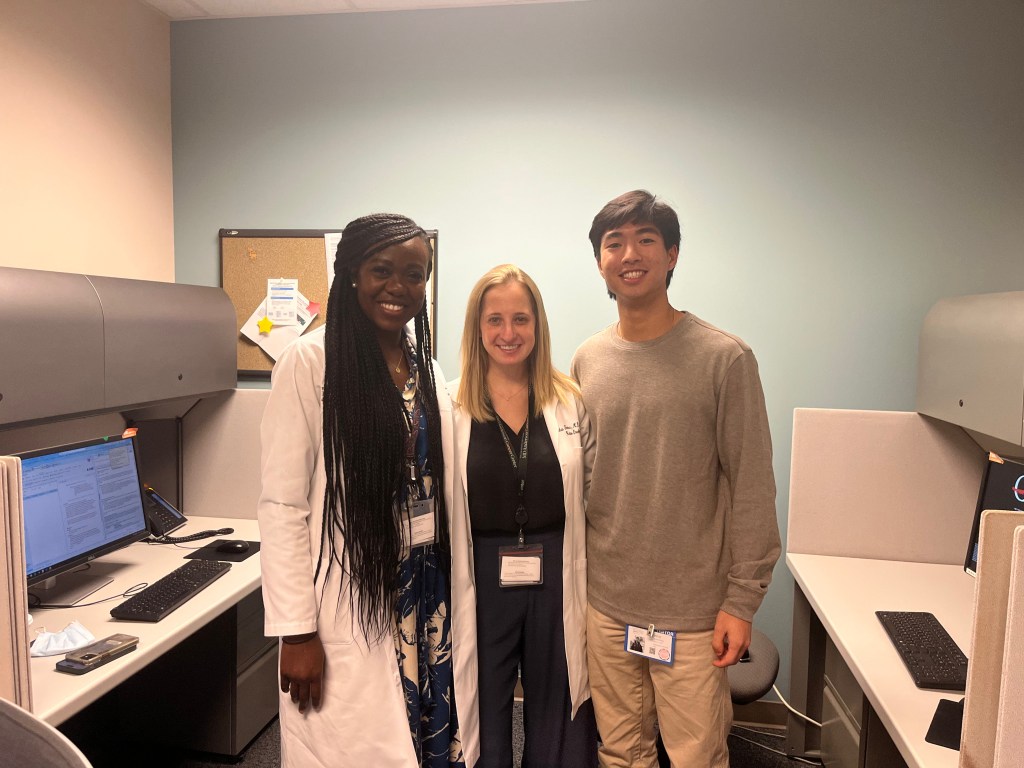
Wednesday and Thursday, I joined the multidisciplinary breast clinic alongside Dr. Nasrazadani, Dr. Goodman, Dr. Wanis, and Dr. Chelain Goodman. Watching surgeons, radiation oncologists, and medical oncologists come together to build patient-specific treatment plans was nothing short of inspiring. Each consultation was a blend of precision and compassion. I especially remember Dr. Nasrazadani holding a patient’s hand, gently walking her through the basics of breast cancer, and taking the time to answer every question. Despite seeing patients like this daily, she never forgot the weight this diagnosis carried for each individual. That level of patient-centered care stayed with me.
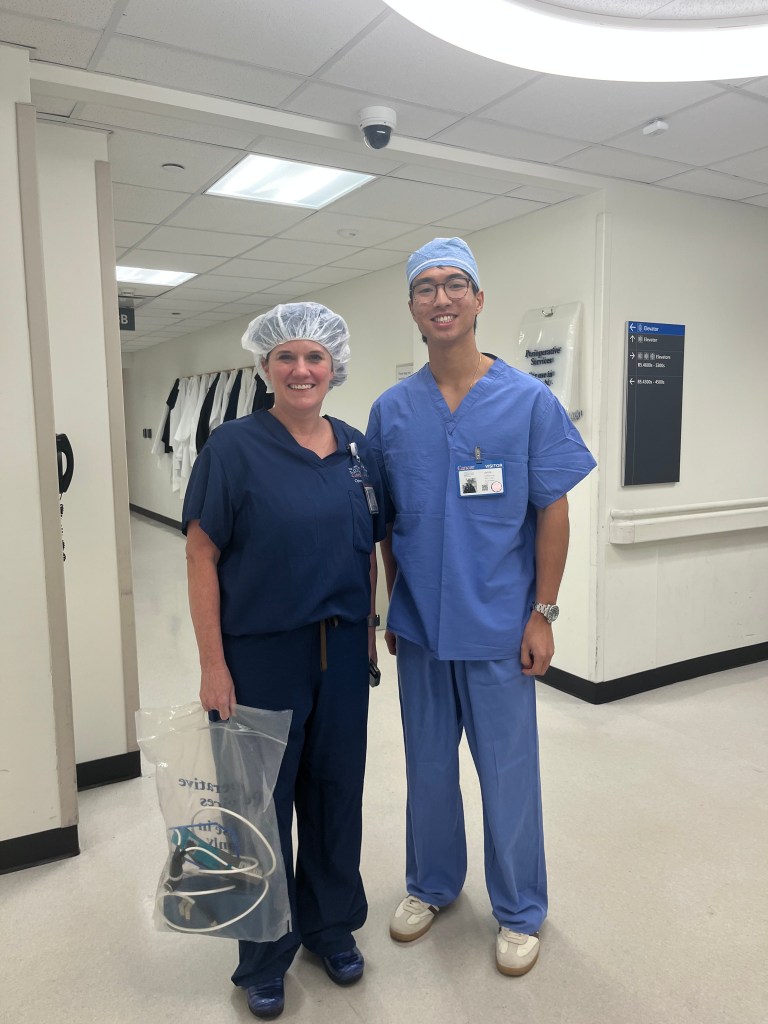
By Friday, I was back in the OR with Dr. Singh, observing a skin-sparing mastectomy and axillary lymph node biopsy. I learned the historical rationale behind procedures like sentinel lymph node dissection—a reminder of how far surgical oncology has come and the importance of tailoring surgery to evolving knowledge.
This week of shadowing transformed how I understand medicine. I saw how the best surgeons combine technical mastery with empathy. I learned how surgeons like Dr. Adesoye continue to lead research, just like the breast cancer vaccine project I’m currently leading that targets gene fusions in the 11q13 chromosomal region. And perhaps most importantly, I saw the power of teamwork across disciplines, where no decision is made in isolation.
Before this week, I was curious. After it, I am committed. I want to become a breast surgical oncologist. I want to return to MD Anderson—not as a student or an observer, but one day as a colleague, part of a team fighting cancer with both science and heart.
Going into this experience, I didn’t know what to expect. I’d never formally shadowed a physician, much less spent five full days immersed in one of the most advanced cancer treatment centers in the world. I thought I might feel nervous or overwhelmed, but instead I found myself absorbed in every moment. Surgeries that lasted four hours felt like they passed in thirty minutes because I was so focused and fascinated by the precision, the team coordination, and the purpose behind every action.
Even now, weeks later, I still find myself thinking about the patients I met and the physicians I observed. I think about Mrs. xxx case often—not just because it was my first surgery, but because it showed how complex the intersection of cancer, public health, and trust in medicine can be. Her story motivates me to think beyond the operating table—to consider how I can be a physician who not only treats disease, but also helps bridge gaps in education, outreach, and care accessibility, especially in underserved communities.
I left MD Anderson with a stronger sense of purpose than I’ve ever felt. This experience didn’t just affirm my interest in medicine—it sharpened it. It showed me the kind of surgeon I want to be: technically skilled, deeply compassionate, research-driven, and committed to health equity. It made me excited for the long road ahead, because now I know exactly what I’m working toward.

 Benchtop to Bedside
Leave a comment